



Cold-rolled steel
What is Cold-rolled steel?
Cold-rolled steel refers to hot-rolled steel that has been further processed at room temperature to achieve precise dimensions, smooth surfaces, and improved mechanical properties. This secondary processing through cold reduction increases strength and produces a visually clean surface suitable for high-precision applications such as household appliances, automotive components, cabinets, and electrical enclosures.
Because cold-rolled steel is widely used across manufacturing industries, buyers often ask whether it rusts easily and whether certain grades offer improved resistance. To understand this, we must look at the material characteristics and global grade designations.
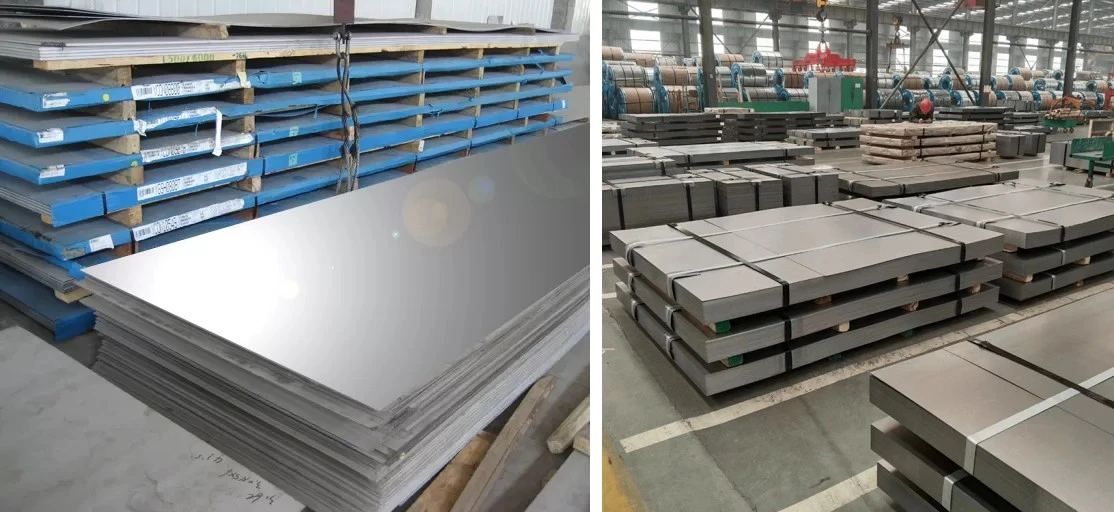
Cold-Rolled Steel Grade Overview
Cold-rolled steel comes in multiple classifications, each offering different formability levels. The most common international grades include:
| Standard | Grades | Formability Level |
|---|---|---|
| EN 10130 | DC01 (basic forming), DC03 (drawing), DC04 (deep drawing), DC05 (extra deep drawing), DC06 & DC07 (ultra deep drawing) | Good → Ultra-high formability |
| JIS G 3141 | SPCC, SPCD, SPCE | Commercial → Deep drawing |
| ASTM A1008 | CS, DS, DDS, EDDS | Commercial → Extra deep drawing |
These grades determine how well the steel performs during bending, stamping, or deep drawing-but they do not determine corrosion resistance.
Cold-Rolled Steel Corrosion Comparison
| Steel Type | Rust Resistance | Reason |
|---|---|---|
| Cold-Rolled Steel (CR) | Low (uncoated) | Smooth, unprotected surface |
| Hot-Rolled Steel (HR) | Moderate | Mill scale provides temporary protection |
| Galvanized Steel | High | Zinc layer provides sacrificial corrosion protection |
| Stainless Steel | Very High | Chromium oxide layer prevents corrosion |
This comparison shows that cold-rolled steel must be protected if used in environments with moisture, salt, or outdoor exposure.
Ways to Prevent Rust on Cold-Rolled Steel
To maintain corrosion resistance, GNEE STEEL recommends:
Applying protective oil immediately after production
Using VCI packaging for export shipments
Galvanizing or electro-galvanizing the steel when long-term protection is needed
Painting or powder coating after fabrication
Keeping steel dry during storage and transportation
Why Cold-Rolled Steel Is Still Widely Used
Even though it rusts easily without protection, cold-rolled steel remains essential because it offers:
- Superior surface finish for visible components
- Excellent dimensional precision
- Outstanding deep-drawing performance with grades like DC04-DC07
- High reliability for automotive and domestic appliance manufacturing
With proper protection, cold-rolled steel provides long-lasting performance and excellent appearance, making it a top choice for manufacturers around the world.
