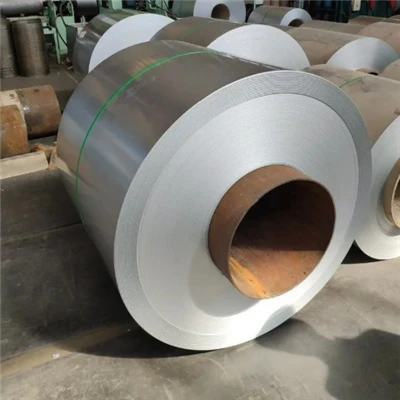
Upgrade your projects with our next-generation Al-Zn-Mg coated steel. Combining the strengths of Aluminum, Zinc, and Magnesium, this material offers 5-10 times better corrosion resistance than traditional galvanized steel, especially in harsh environments. Perfect for solar mounting, livestock, and infrastructure."
What is Al Zn Mg Coated Steel?
ZAM Coated Steel is a new type of hot-dip alloy coated steel product, which is formed by immersing the base steel in a molten alloy bath composed of zinc (Zn), aluminum (Al) and magnesium (Mg) in a specific proportion, and then cooling and solidifying it. The coating is a dense ternary eutectic structure of Zn, Al and Zn2Mg, which forms an effective barrier on the steel surface to prevent the penetration of corrosive media such as moisture, salt and acid-base substances.
Al-Zn-Mg Steel vs. Galvanized vs. Galvalume
Compared with traditional hot-dip galvanized steel (GI) and hot-dip galvanized aluminum steel (GL), it has more excellent corrosion resistance, self-healing performance and processing performance, and has become a mainstream choice for high-end corrosion-resistant steel applications worldwide.
| Feature |
Al-Zn-Mg Steel |
Galvanized (GI) |
Galvalume (GL) |
| Corrosion Resistance |
Extremely High (Self-healing) |
Moderate |
High |
| Service Life |
30+ Years |
10-15 Years |
20+ Years |
| Edge Protection |
Excellent (Self-healing) |
Poor |
Moderate |
| Cost-Efficiency |
Highest (Long-term) |
Low (Short-term) |
Moderate |
Architecture Industry: Metal facades, roof panels, keel ceilings, perforated plates, cable trays, building panels, steel structure components of prefabricated houses, etc. It can withstand long-term exposure to wind, rain and sunlight, maintaining the beauty and durability of buildings.
Agriculture & Livestock: Greenhouse steel structures, breeding equipment, chicken houses, pig pens, arched buildings, granaries, silos, etc. It has excellent corrosion resistance in humid and harsh agricultural environments, extending the service life of agricultural facilities.
Transportation & Power Industry: Solar brackets, road sign posts, guardrail facades, school bus decks, industrial HVAC, cooling towers, power transmission and distribution high and low voltage switch cabinets, box-type substation exteriors, etc. It is suitable for outdoor and harsh environment applications, ensuring the safe operation of equipment.
Automotive Industry: Automobile structural parts, automobile panels, etc. Low-aluminum Al Zn Mg coated steel has excellent formability and corrosion resistance, which is widely used in the automotive field to improve the anti-corrosion performance of automobile parts.
Home Appliances Industry: Home appliance casings, air conditioner outdoor units, refrigerators, etc. It has good surface finish and corrosion resistance, enhancing the appearance and service life of home appliances.
Q: 1. What is ZAM and how does it differ from GI?
A: ZAM is a highly corrosion-resistant alloy coating consisting of Zinc, Aluminum (typically 5-11%), and Magnesium (up to 3%). Unlike standard Galvanized Steel (GI), the addition of Magnesium creates a stable, dense protective barrier, offering 5–10 times the corrosion resistance of pure zinc coatings.
Q: 2. What is the "Self-Healing" property?
A: This is ZAM's most critical advantage. On cut edges or scratches, magnesium ions migrate to form a fine, stable protective film (simonkolleite). This chemical reaction effectively seals the exposed steel, preventing red rust without requiring edge paint.
Q: 3. Can ZAM replace Batch Hot-Dip Galvanizing (HDG)?
A: Yes. ZAM allows for "pre-coated" processing. You can punch, bend, and cut ZAM coils directly, eliminating the need for post-fabrication galvanizing. This reduces logistics costs, lead times, and avoids thermal deformation of parts.
Q: 4. How does it perform in harsh environments?
A: ZAM excels in high-alkaline and acidic environments. It is the preferred material for livestock housing (ammonia resistance), photovoltaic (PV) brackets, and coastal infrastructure where salt spray is prevalent.
Q: 5. Can I use a thinner coating to replace thick Zinc?
A: Generally, yes. Due to its superior durability, a 275g/㎡ ZAM coating can often replace a 600g/㎡ traditional HDG coating, allowing for material weight reduction and cost savings without compromising service life.
A: Yes, ZAM has excellent welding performance. While the coating is disturbed at the weld pool, the surrounding "self-healing" properties still provide better peripheral protection than standard GI. For extreme conditions, a zinc-rich cold spray is recommended for weld touch-ups.
Q: 7. Does the surface appearance change over time?
A: Yes. Initially metallic, the surface will gradually develop a matte, dark-grey protective patina. This is a natural darkening process indicating the formation of the magnesium-based protective layer, which further stabilizes the material.
Q: 8. How is the formability (stamping/bending)?
A: ZAM coatings are harder and more scratch-resistant than pure zinc. The alloy has high adhesion strength, meaning the coating will not peel or flake during severe drawing, stamping, or roll-forming processes.
Q: 9. What is the cost-benefit ratio?
A: While the initial price per ton is higher than GI, ZAM reduces total costs by eliminating post-galvanizing processes, reducing coating weight requirements, and significantly lowering long-term maintenance and replacement frequencies.
Q: 10. How do I choose the right Al/Mg ratio?
A: It depends on the application.
Low-Aluminum (1-3% Al): Best for general construction and replacement of traditional GI.
High-Aluminum (5-11% Al): Ideal for extreme corrosion environments like solar farms or chemical plants.