Galvanized Steel


Gnee Steel (tianjin) Co., Ltd. is a comprehensive company for steel production and trading, the registered capital of our group is 10 Million RMB. Our main products are hot-dipped galvanized steel coils, galvalume(55%AL-zinc) steel coils, prepainted steel coils, corrugated roofing sheets and so on.


Up to now, our company has own one production lines of Galvalume steel coil with an annual production capacity of 350,000 tons, one production line of Hot dipped galvanized Steel coil with an annual production capacity of 350,000 tons, three lines of Pre-painted galvanized steel coil with an annual production capacity of 80,000 tons, more than ten production lines of corrugated roofing sheet, the 2/3 of the output is for exportation.


Our products meet the highest standards for different client. At present, it has been sold to Southeast Asia,Middle East, Africa,South America and other regions which indulged more than 150 countries.


First 1234567 Last 1/163


What is Galvanized Steel

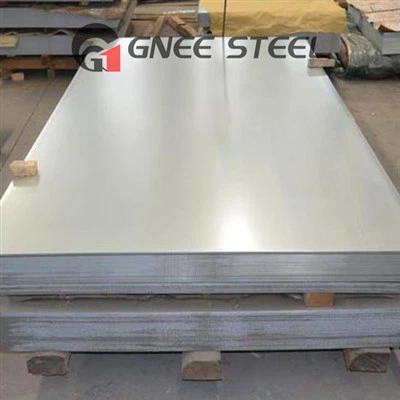
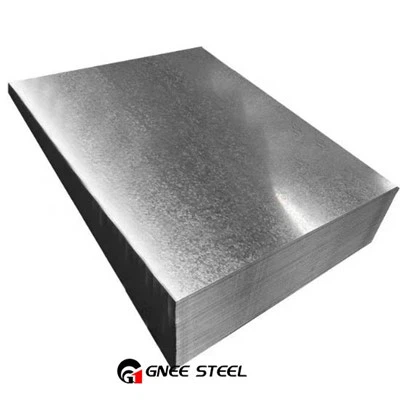
Galvanized steel is standard steel that is coated in zinc to provide enhanced corrosion resistance. The galvanized protective coating protects the iron steel substrate from corrosion due to moisture, saturated environmental conditions, or ambient humidity. If you want to know the specifications and prices of Galvanized Steel, please contact us!

galvanised steel


Advantages of Galvanized Steel


Economic Benefits
Galvanizing has a lower overall cost compared to other coatings. If you are looking to save money on construction projects, then you'll want to make sure you switch over to galvanized steel as soon as possible. This can help to save a fortune when you are using this material in large quantities, ensuring that you keep on track with your budget for any project you are working on.
Durability
Coating life and performance are reliable and predictable. You'll find that one of the top benefits of galvanized steel is that it's much more durable than regular steel. The coating helps to protect the material, reducing the chance of corrosion. This means you'll be much less likely to need to replace the material in the future, which is essential for most types of construction projects.
Less Maintenance
Galvanized steel lasts far longer than other materials and needs less maintenance. This will save you time and resources in the long run, which can be better used elsewhere to maintain your projects and materials.
Long Life Expectancy
The life expectancy of galvanized coatings on most structural members is typically in excess of 50 years in most rural environments and 20 to 25 years or more with severe urban and coastal exposure. This means the applications it can be used for are numerous, which is why it's become such a popular material choice in recent years.
Toughest Coating
A galvanized coating has a unique metallurgical structure that gives outstanding resistance to mechanical damage in transport, erection, and service. When compared to other coating and material options, it's much tougher for a range of construction projects. In fact, it's one of the toughest coatings on the market today, allowing you to use it in difficult weather conditions and situations.
Complete Protection
Every part of a galvanized article is protected, even recesses, sharp corners, and inaccessible areas. No coating applied to a structure or fabrication after completion can provide the same protection. This means that once you install the galvanized steel installation, you don't have to waste time adding further protection to the project.
Hygienic
Galvanized steel has an easy to clean surface. If you are working on a project which will need to be cleaned regularly, you'll find this material is easy to clean and maintain. Especially during the challenging times we all find ourselves in, this is more important than ever. A hygienic material choice ensures that everyone remains healthy and safe when the material is cleaned on a regular basis.
Ease of Inspection
Galvanized coatings are assessed readily by eye, and simple non-destructive thickness testing methods can be used. You can easily see if the steel is still in good condition or whether it will need a replacement in the near future. These checks will take just minutes, as opposed to needing to dismantle any type of structure to find out what's going on with your material.
Faster Install Time
As galvanized steel members are received, they are ready for use. No time is lost on-site in surface preparation, painting, and inspection. When assembly of the structure is complete, it is immediately ready for use, or for the next construction stage. With the pressures that many construction companies find themselves under today, this is more important than ever. You'll ensure your project stays on track and that you offer your client the highest customer satisfaction possible.


 

Types of Galvanized Steel
DX51D
gl coil
eg steel
DX54D Steel Tube

Hot-Dipped Galvanized Steel
Hot-dipped galvanizing uses an immersion technique whereby the steel is dipped in a bath of molten zinc. The duration of immersion in the bath determines the thickness obtained. A metallurgical bond is formed between the zinc surface and the steel.
This bond provides the major difference between electroplating and hot-dipped zinc. Hot-dipping creates an intermediate alloy layer between the highly pure zinc and the steel. This intermediate layer provides a significant amount of the corrosion protection to the steel base material. The outer, pure zinc layer acts as a barrier to protect the steel and gives the metal its characteristic color and spangle appearance. The inner layer provides a transition zone that resists attack on the base steel by sacrificial action.

Galvalume steel
The surface coating of galvalume steel is composed of 55% aluminum, 43.5% zinc and a small amount of other elements. Microscopically, the surface of the galvalume coating has a honeycomb structure, and the "honeycomb" composed of aluminum contains zinc. In this case, although the galvanized coating also plays the role of anode protection, on the one hand due to the reduction in zinc content and on the other hand because the zinc material is wrapped in aluminum and is not easily electrolyzed, the role of anode protection is greatly reduced. Therefore, once aluminized When a zinc plate is cut, it will rust quickly when the cut edges are basically unprotected. Therefore, the galvanized plate should be cut as little as possible. Once cut, anti-rust paint or zinc-rich paint should be used to protect the edge before it can be used. The service life of the panels is extended.
Electroplated Galvanized Steel
The electroplated galvanized steels have the pure zinc outer layer but lack the intermediate alloy layer that mixes the steel and zinc.
Galvanized surfaces will lose the spangle and form a gray zinc oxide film with a slight tooth or fuzziness to them. Sometimes, streaks of red rust will develop on galvanized steel surfaces where the steel is no longer getting the benefit of the galvanic protection.
Spangle Galvanized Steel
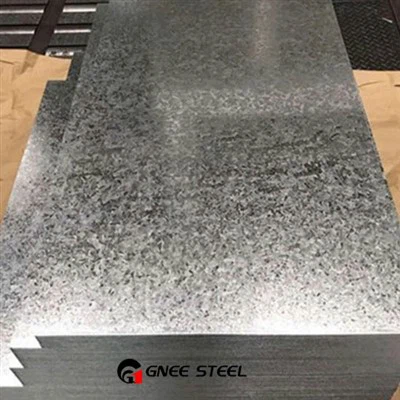
One of the visual effects resulting from galvanization of steels is an appearance of crystalline spangling across the surface. The spangle is a unique and interesting formation on the galvanized surface. It is created by use of trace metals in the molten zinc, and by controlling the cooling process of the hot-dip zinc coating on the steel.
The process involves running a sheet, plate, structural shape, or constructed shape into a molten bath of high-purity zinc. Additional trace metals are put into the molten zinc to assist in the formation of the zinc crystal on the surface. As the hot, coated steel exits the bath of zinc, it is blasted with air to remove excess zinc from the surface. The zinc surface cools with the steel base material. As the surface cools, crystals of zinc develop across the surface.

Galvanized steel pipe

Galvanized steel pipe, this kind of pipe has a layer of galvanized layer on the surface of the steel, so the material inside the galvanized pipe is made of steel. Since the surface of this pipe is galvanized, it can effectively prevent the corrosion and corrosion of the steel. It can also prevent rust and other phenomena, while also helping to extend the service life of steel.


Application of Galvanized Steel


Framing Buildings
Galvanized steel materials make up powerful support structures for buildings, especially when they are surrounded by concrete. From apartment and office buildings to stadiums or museums, galvanized steel guarantees a building's frame and interior structure will remain strong and corrosion-free for decades. Its unique zinc coating means it can withstand minor scratches and damage without losing its rust resistance. 
Reinforcing Roads
Hot-dipped galvanized steel outshines every other material when it comes to strengthening and reinforcing roads and bridges. This is why reinforcing roads is one of the most common uses of galvanized steel While the materials around it crack or wear down over time, the galvanized steel frame remains in like-new condition. There have even been projects where, once the road or bridge was cut, the hot-dipped galvanized steel frame was found stronger than it was when installed. This is because of the zinc coating's self-healing properties, which build up a protective coating when damage to the structure may cause water to seep through the surface.
Crossing Areas with Harsh or Unique Conditions
Building bridges in areas with harsh conditions is one of the most famous uses of hot-dipped galvanized steel. Why is this one of the common uses of galvanized steel? The steel is chosen for two reasons: It promises superior corrosion resistance without compromising aesthetics. Its ability to handle wet, salty environments has made it the first choice of builders and project managers in northern and southern areas alike. Whether it is being used to strengthen highway overpasses in New York or down in the tropics to create a bridge that can withstand ocean waves and hurricanes, hot-dipped galvanized steel outperforms expectations every time.
Supporting Industrial Processes
Galvanized steel is common in industrial processes. While this use may not garner as much media coverage, it plays an important role in supporting American production. The reason this is one of the common uses of galvanized steel is that the strength and resilience of galvanized steel allow it to be formed into complex shapes for machinery, while its corrosion resistance guarantees it will continue functioning without fail. Galvanized steel plays an essential role in forming equipment and supporting structures for the chemical, oil, energy, pulp and paper industries across the country.
Protecting Monuments and Memorials
Galvanized steel is a great choice for outdoor monuments and memorials. Because materials of many shapes and sizes can be hot-dip galvanized, stunning sculptures or structures can be built from the resulting galvanized steel. The zinc coating boasts a bright, silver appearance, while its corrosion resistance guarantees it will maintain its beauty for years to come.
Building Durable and Sustainable Outdoor Structures
From handrails and canopies to solar panels, one of the common uses of galvanized steel is for outdoor structures that serve a daily purpose. Its corrosion resistance and durability mean that the original equipment does not require constant repairs or replacements. This reduces waste and the amount of energy necessary to maintain each piece of equipment. It also means that your equipment and the site where it was installed remain rust-free for years.
Creating Cost-Effective Options for Agriculture
Galvanized steel has multiple uses in agriculture, from storage silos to animal pens. Its corrosion resistance means it can handle moisture and harsh conditions common on farms without losing its strength or appearance. Plus, galvanized steel's durability reduces the need for ongoing maintenance and replacements, making it a cost-effective option for farmers looking to invest in durable structures.

Our Factory

GNEE has its own factory with advanced automation equipment and strong production capacity. The factory covers an area of 26,000 square meters and has 8 galvanized steel production lines and 3 cold-rolled steel production lines. Professional technical workers and engineers, quality assurance, SGS, ISO, MTC, CE certification, can process special sizes for customers.

hot dip galvanized steel
gi steel
galvanized steel
galvanized iron
 

company team

The company always adheres to the business philosophy of "quality first, service first, honest cooperation, mutual benefit and win-win" to cooperate with new and old customers and seek common development.

gnee
gnee steel


Frequently Asked Question
 

Q: What is galvanised steel used for?

A: With a history that stretches back over 150 years, there are innumerable examples of galvanised steel in use in many environments, which prove its performance.
Galvanized steel is all around us, in a whole variety of industries including road, rail, energy plants, oil and gas, agriculture, water and waste and sports and leisure. It can play an important role for buildings, bridges, facades, signal gantries, gates, balconies and even sculptures. Wherever there is a risk for corrosion of steel, galvanising should be used.

Q: Will galvanized steel rust?

A: Galvanized steel takes a long time to rust, but it will eventually rust. This type is carbon steel that has been galvanized or coated with a thin layer of zinc. The zinc acts as a barrier preventing oxygen and water from reaching the steel, providing advanced corrosion protection.

Q: What is the difference between steel and galvanized steel?

A: Galvanized steel is regular steel sheets that have been coated in zinc to make them corrosion resistant. Regular steel is made of iron which will rust when exposed to moisture, either in the form of rain or ambient humidity.

Q: Is galvanized steel good quality?

A: Its slower corrosion rate combined with its self-healing properties are what make it a popular choice. They help the projects that use galvanized steel maintain their strength and integrity longer than the other options.

Q: How galvanized steel is made?

A: Galvanized steel is known for its superior corrosion resistance. But, how far does that resistance go? The answer lies in the science of the material.
Galvanized steel is created by dipping raw steel that has been treated and "pickled" into a large bath of molten zinc. Once this dries, a shiny, hard coating forms.
The resulting protection this process creates is stronger than other coatings. While other coatings sit on top of the steel, the zinc bonds with it and forms an almost new type of material. This bond has a few features that make galvanized steel so special.

Q: Does galvanized steel rust?

A: It may sound too good to be true, but because of its chemical properties, it is nearly impossible for galvanized steel to rust.
It can, and may if it remains exposed to intense elements in difficult environments for decades. But often, the other materials used in the project need to be repaired well before the galvanized steel materials show signs of rust.

Q: How long does galvanized steel last?

A: So how long does it take for a handy new galvanized steel bucket to rust and corrode into a useless heap of metal? It takes a long time. A galvanized steel bucket (produced with any method) can last practically forever if it's gently used and kept dry and out of the rain. But for those galvanized buckets and tubs destined to become garden planters, landscape decorations, animal feeders, and farm water buckets corrosion is inevitable. Galvanized steel intended for prolonged outdoor use should be hot-dipped galvanized steel; which commonly lasts for about 70 years in many different environments.

Q: Which is better galvanized or stainless steel?

A: If you're not sure where to start, consider these points: Stainless steel is almost always more robust than galvanized steel. So if structural elements are involved, stainless will likely be a better bet. Stainless steel provides stronger corrosion resistance than galvanized steel -- especially in marine environments.

Q: What is the downside of galvanized steel?

A: Any damage tends to occur through mishandling and untreated long-term wear and tear. Due to its smooth surface, should the galvanised steel sheet incur any damage, the integrity of the protection is compromised, making it prone to rusting.

Q: Is galvanized steel safe for cooking?

A: Zinc fumes are set free when galvanised steel is heated. These fumes are very toxic to breathe. Deposits of zinc from the fumes accumulate in the food. Utensils like ladles and galvanized-surfaced pails should not be used for food cooking.

Q: How long does galvanized steel take to rust?

A: There are predictions (based on a corrosion study) for how long the zinc layer on the galvanized steel would last. They are as below: In soaked or wet environments the zinc layer will last 10 YEARS. In environments with a relative humidity of 100%, it would last 34 YEARS.

Q: How can you tell if steel is galvanized?

A: You can tell that metal is galvanized when it has a pattern to it that is known as a spangle pattern. A spangle pattern almost looks like someone dipped a sponge in gray paint and then sponge-painted the metal. You'll notice darker and lighter spots, much like you would see when a wall is sponge painted.

Q: Can galvanised steel be painted?

A: All paint systems should be specifically formulated for use on galvanized steel and applied in accordance with the paint manufacturer's recommendations. Application of the paint coating should be carried out in accordance to the manufacturer's instructions, i.e. time of application, dry film thickness and curing rates.

Q: Is galvanized steel expensive?

A: Galvanized steel is almost the same price as untreated structural steel. Stainless steel costs four to five times as much as galvanized steel and untreated structural steel. Niobium alloys are even more expensive.

Q: Which is better galvanized steel or aluminum?

A: In typical outdoor environments, in which exposure to moisture is common, galvanized steel's rust resistance tends to be superior to the resistance of aluminum to corrosion, but both will perform well and survive long term.

Q: Why is my galvanized steel rusting?

A: The most common ones include high humidity, wet or soaked environments, salt in the air or water, moss, and acids. But, galvanization also provides good resistance to contact with concrete, mortar, lead, tin, zinc, and aluminum.

Q: How to prepare galvanized steel for painting?

A: Guidelines for the pre-treatment for painting of galvanized metals have been drawn up as a result of a study carried out by an independent research centre and a leading UK paint manufacturer into the performance of commercially available pre-treatment and paint systems and the parameters affecting their performance on hot dip galvanized coatings, and many years experience with duplex coatings.
Although pre-treatment of galvanized components is best carried out immediately after galvanizing, before the surface has become contaminated in any way, this is not always practical. Pre-treatment can be carried out later but it is vital that the surface is adequately cleaned to remove all traces of contaminants such as oil, grease and dirt. The cleaning operation must leave no residues on the cleaned surface and any wet storage staining should be removed using a stiff brush. Washing down the coating with water will help to remove soluble salts.

Gnee Steel (Tianjin) Co., Ltd. is one of the most professional galvanized steel manufacturers and suppliers in China, specialized in providing high quality products with low price. We warmly welcome you to wholesale cheap galvanized steel in stock here and get free sample from our factory. Also, customized service is available.

Cold Rolled Mild Steel Sheet, cold rolled stainless steel coil, PPGI Galvanized Steel Coil For Roofing Sheet