


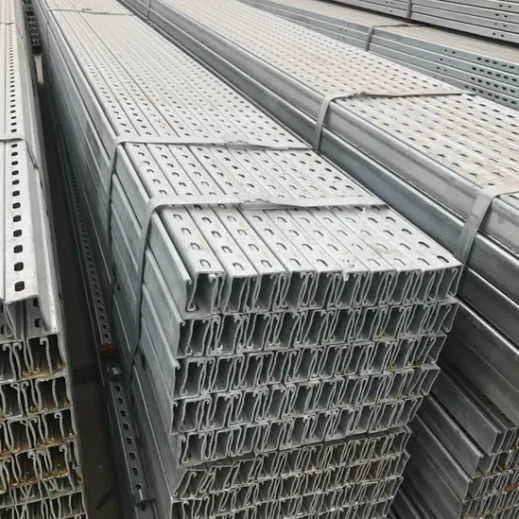
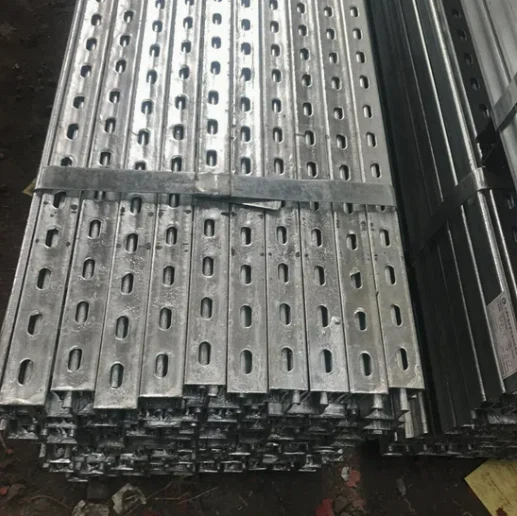

Gnee Steel (Tianjin) Co., Ltd. is one of the most reliable manufacturers and suppliers of solar system on water photovoltaic pv panel mounting system floating mounting brackets in China. Welcome to wholesale customized solar system on water photovoltaic pv panel mounting system floating mounting brackets at low price from our factory. If you have any enquiry about free sample and cheap products, please feel free to email us.
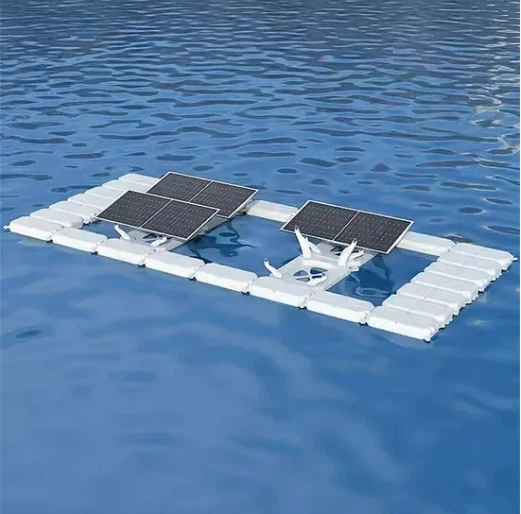
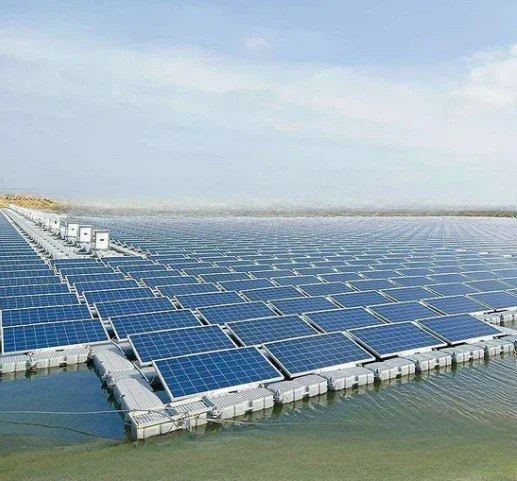
The solar floating photovoltaic system is suitable for installing solar photovoltaic power stations on water as lakes or reservoirs. HDPE, Zn Al Mg coated steel, and aluminum alloy were used as materials and passed the Hunt water absorption test and aging test. UV resistance testing, etc. In addition, it can withstand much higher tensile forces than similar products on the market. The walkway float and float adopt a new modular design, which can achieve the same or symmetrical orientation of the double row array, maintain the walkway design at intervals, and improve the efficiency and installation capacity of solar power generation. This system is both cost-effective and easy to install, with a lifespan of 25 years.
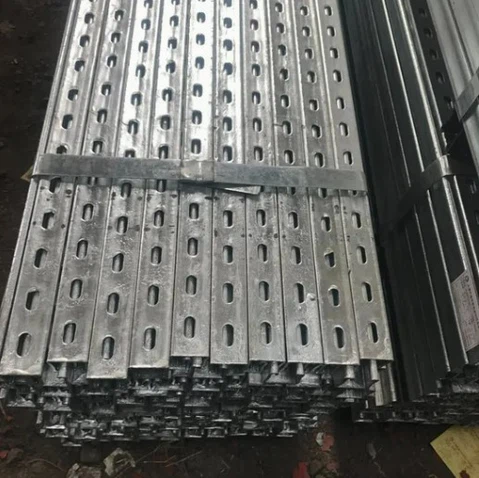
Solar PV Mounting Bracket
Products Description
| Mount Type | Solar Panel Floating Mounting System |
| Applicable site | pond, river, reservoir |
| Applicable Module | Framed or frameless panel |
| Module Orientation | Landscape |
| Wind load | Up to 130mph(60m/s) |
| Snow load | Up to 30psf(1.4KN/m2) |
Advantages of solar floating installation structure for solar racks
1) Maximize the use of space design;
2) Unique bracket design, easy to install;
3) Flexible design, suitable for solar modules with 60 cells and 72 cells mainly used in the market;
4) The parts are made of high-quality HDPE to ensure the performance of the material;
5) Quality control of food grade materials to ensure that toxic pollutants are not released;
6) Easy to install, no need for any heavy equipment or projects;
7) Rigid and peripheral double row walkway design makes walking on water flat and safer;
Other Application Scenarios
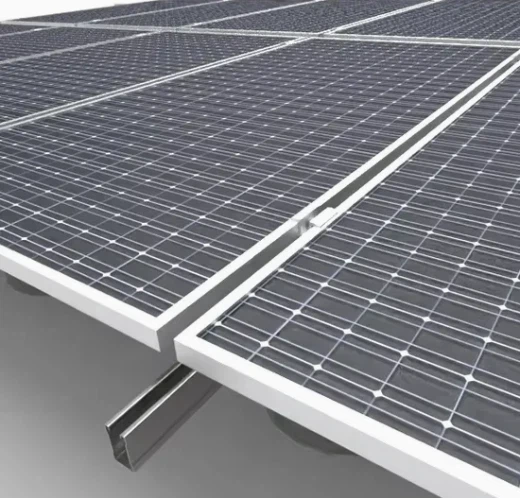
Ground-Mounted Racking: The mainstream choice for utility-scale power plants; features solid foundations with high resistance to wind and snow loads.
Roof-Mounted Racking: Designed for residential and distributed systems. Includes flat-roof (ballasted), pitched-roof (clamps), and color steel tile roof solutions.
Floating PV Systems: Ideal for lakes, reservoirs, and fish ponds; utilizes floats and anchoring systems with high corrosion and wave resistance.
Flexible Mounting Systems: Uses high-strength cables or composite materials; highly adaptable to complex terrains like mountains, slopes, and large-span areas.
BIPV (Building Integrated Photovoltaics): Integrates directly into roofs or curtain walls, combining power generation with structural architectural functions.
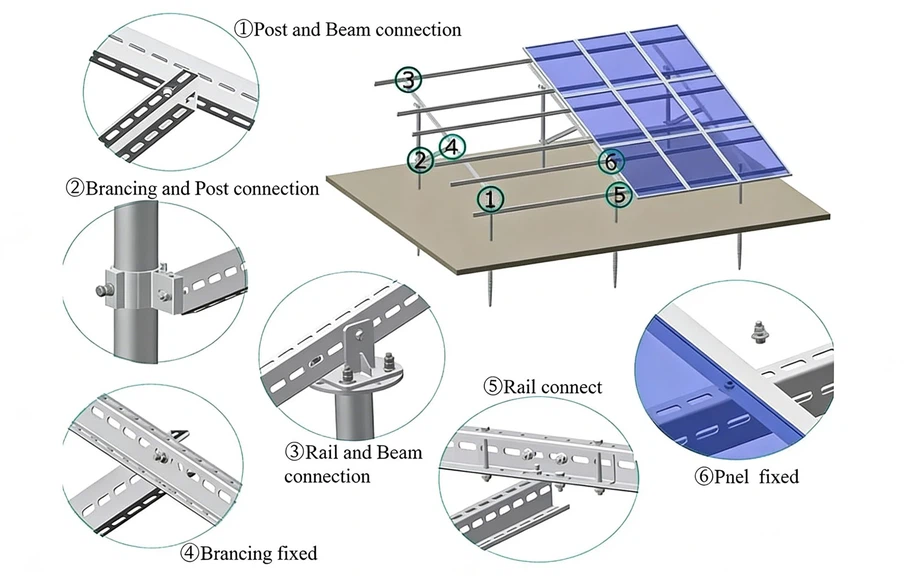
Installation Details
FAQ
Q: What is a solar panel mounting system (PV racking)?
A: A structural framework that holds solar panels securely, optimizing sun exposure while resisting wind, snow, and other environmental loads. It includes racks, rails, clamps, and foundations for rooftops or ground sites.
Q: What are the main types of solar mounting systems?
A: Rooftop (pitched/flat), ground-mounted (fixed/tracking), pole-mounted, and carport/canopy mounts. Tracking systems (single/dual-axis) boost energy yield by 20–35%.
Q: Which mounting type is best for residential use?
A: Pitched-roof mounts are standard; flat roofs use ballasted (non-penetrating) systems. Ground mounts suit properties with ample land and no roof constraints.
Q: How many mounting brackets per solar panel are typical?
A: 4 brackets (2 per side) for standard panels; 6 brackets for high-wind/snow regions or larger panels to ensure stability.
Q: What materials are used for PV mounting structures?
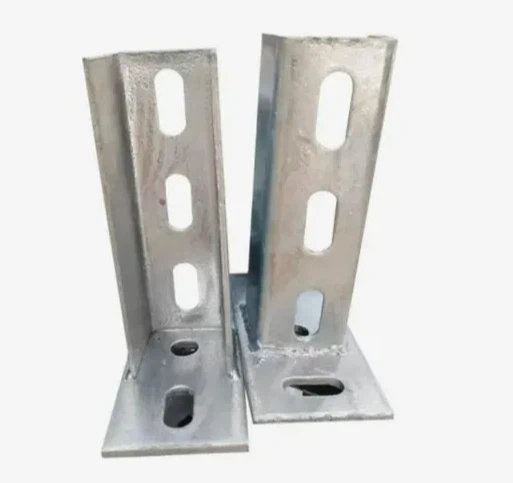
A: Galvanized steel, aluminum (anodized for corrosion resistance), and stainless steel. Coastal/humid areas favor corrosion-grade materials.
Q: What wind and snow loads can a solar mounting system withstand?
A: Designs meet local codes (e.g., wind up to 140 mph, snow loads 0.2–0.9 kN/m²). Engineers calculate 50-year extreme events for safety.
Hot Tags: solar system on water photovoltaic pv panel mounting system floating mounting brackets, China solar system on water photovoltaic pv panel mounting system floating mounting brackets manufacturers, suppliers, factory