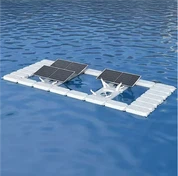


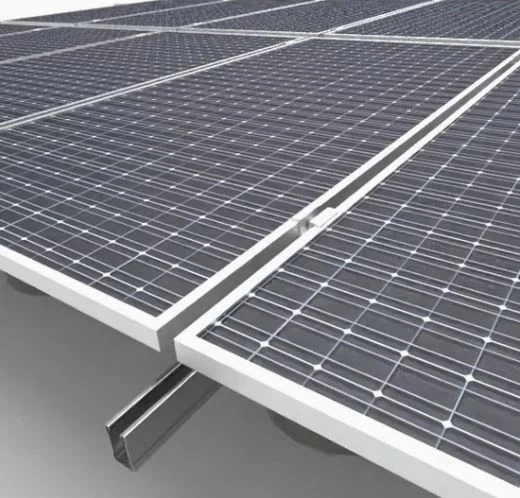

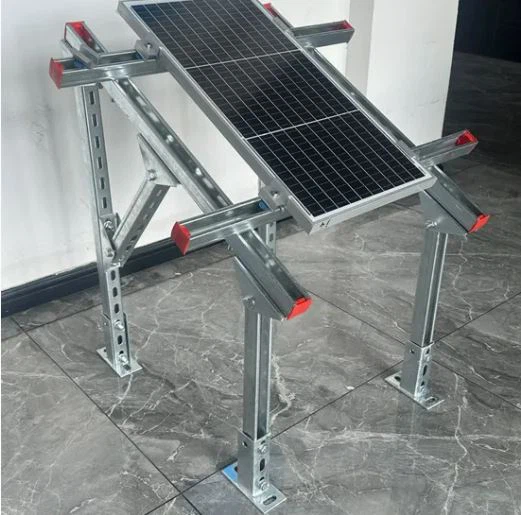

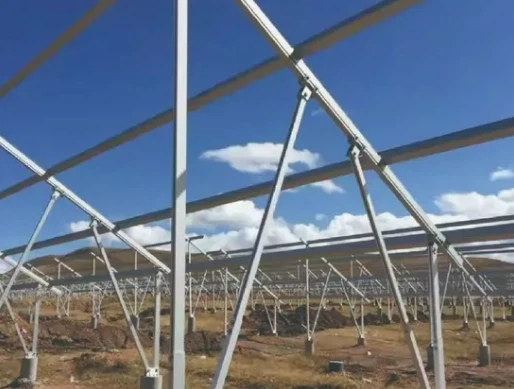
PV mounting structures serve as the load-bearing and positioning framework for photovoltaic systems, playing a pivotal role in the construction of solar projects. They provide stable support for PV modules and, through optimized tilt angles and spatial arrangements, help maximize power generation output. Furthermore, they directly determine construction efficiency and progress, thereby influencing installation costs. Concurrently, these structures fulfill critical safety functions-such as resistance to wind, snow, and seismic activity-to ensure the long-term, reliable operation of the power plant; thus, they constitute the essential foundation for the safe, efficient, and stable power generation of any PV project.
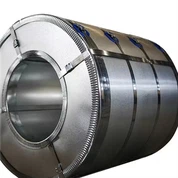
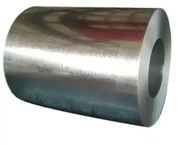
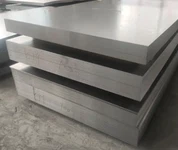
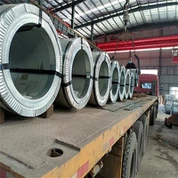
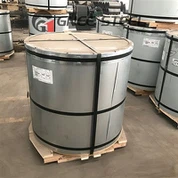
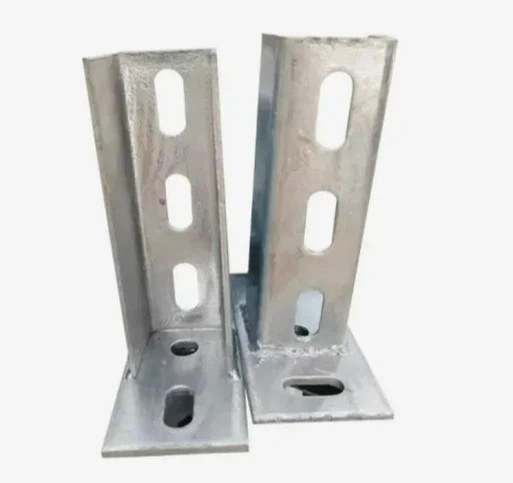
The zinc-aluminum-magnesium rare earth alloy coating plate is formed by the high temperature curing of zinc (zn), aluminum (al) and magnesium (mg), and its microstructure is composed of the dense ternary eutectic structure of zn, al and zn2mg, which forms a dense layer on the surface of the steel plate and effectively prevents the penetration of corrosion factors. zinc aluminum magnesium bracket is used in underground pipe gallery, seismic, finished bracket and photovoltaic bracket.
Production Progress
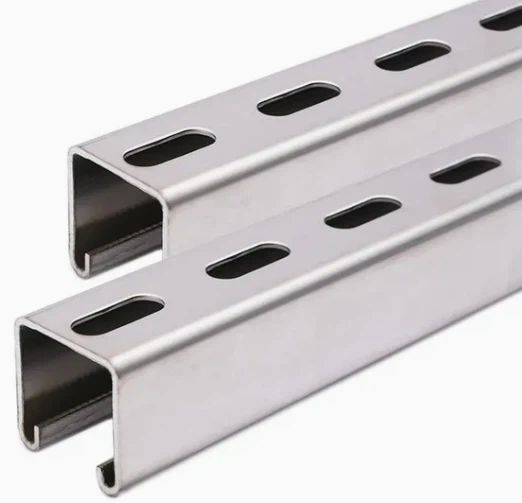
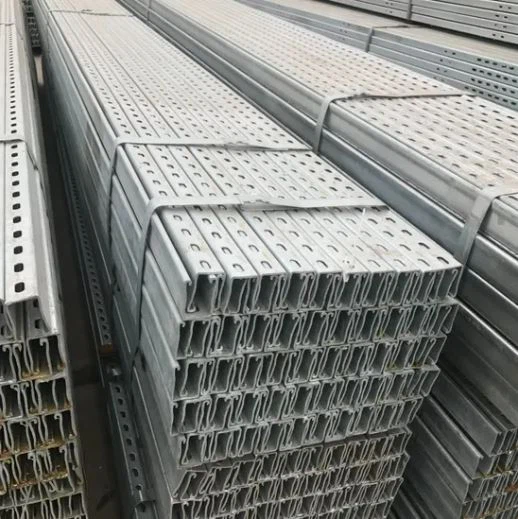
Zinc-aluminum-magnesium bracket is the direct use of zinc-aluminum-magnesium plated steel strip, cold bending, deviation correct-ion, fixed length and stamping connecting holes to form steel, and finally made of zinc-aluminum-magnesium bracket.
|
Product Name |
Solar Panel Racking Bracket |
|
Place of Origin |
China |
|
Wind Load |
60M/S |
|
Service |
Customized |
|
Surface Treatment |
Hot-Dip Galvanized |
Features
- Super Corrosion Resistance: Al, mg and si alloy elements are added to the coatingof hot-dip galvanized aluminum magnesium bracket , which greatly improves the corrosion inhibition effect of the coating. compared with ordinary galvanized brackets, the coating adhe-sion is small but can achieve higher corrosion resistance, which is 10-20timesthat of hot-dip galvanized brackets.
- Machinability: The hot-dip galvanized aluminum magnesium bracket is denser than the traditional galvanized bracket, so it is not easy to strip the coating during stamping processing, and has processing properties such as stretching, stamping, bending and welding under severe conditions, and because of the high hardness of the coating, it has ultra-high wear resistance and damage resistance.
- Self-repairing: The coating components around the cutting surface continue to dissolve, forminga dense protective film composed mainlyof zinc hydroxide, alkaline zinc chloride and magnesium hydroxide, which has low electrical conductivity and has an inhibitory effect on the corrosion of the cuttingsurface.
- Ultra-longlife: Due to the strong corrosion resistance is 10-20 times that of ordinary galvanized material and has the self-healing and healing protection ability of the cutting surface, the anti-seismic support of zinc aluminummagnesium material can generallylve up to 50years.
Application Scenarios
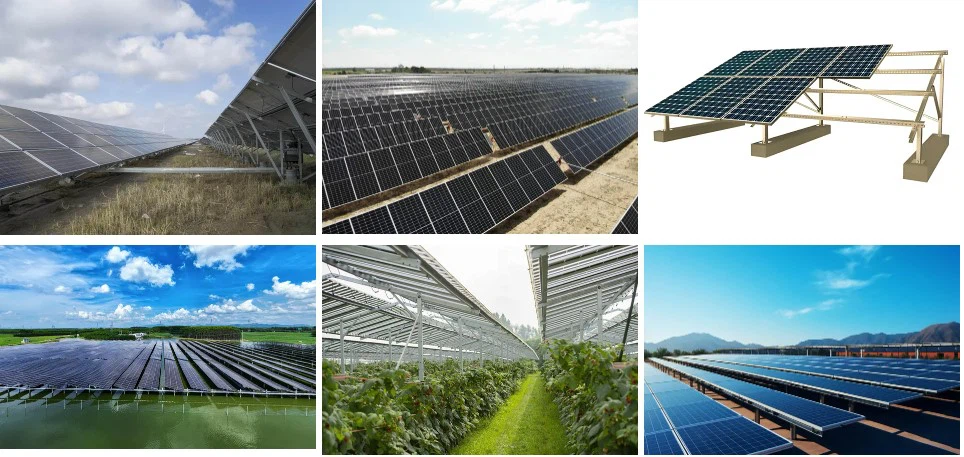
Ground Mounts: Mainstream for large-scale plants; stable and weather-resistant.
Rooftop Mounts: For residential/distributed use; includes ballasted (flat), clamped (pitched), and metal roof types.
Floating Mounts: For water bodies; uses floats and anchors; salt/wind resistant.
Flexible Mounts: Cable-based; perfect for mountains and long spans; highly terrain-adaptive.
BIPV: Integrated with the building (roofs/facades); dual-purpose power and structure.
FAQ
Q: What are the main types of solar mounting systems?
A: Rooftop (pitched/flat), ground-mounted (fixed/tracking), pole-mounted, and carport/canopy mounts. Tracking systems (single/dual-axis) boost energy yield by 20–35%.
Q: Which mounting type is best for residential use?
A: Pitched-roof mounts are standard; flat roofs use ballasted (non-penetrating) systems. Ground mounts suit properties with ample land and no roof constraints.
Q: How many mounting brackets per solar panel are typical?
A: 4 brackets (2 per side) for standard panels; 6 brackets for high-wind/snow regions or larger panels to ensure stability.
Q: What materials are used for PV mounting structures?
A: Galvanized steel, aluminum (anodized for corrosion resistance), and stainless steel. Coastal/humid areas favor corrosion-grade materials.
Q: What wind and snow loads can a solar mounting system withstand?
A: Designs meet local codes (e.g., wind up to 140 mph, snow loads 0.2–0.9 kN/m²). Engineers calculate 50-year extreme events for safety.
Q: Can solar panels be mounted on a flat roof without penetration?
A: Yes, use ballasted mounts (concrete weights) to avoid drilling. A structural survey is critical to confirm load capacity.
Q: How long do solar panel mounting brackets last?
A: 25+ years with quality materials (aluminum/stainless steel) and proper installation. Coastal areas may shorten lifespan without corrosion protection.
Hot Tags: pv photovoltaic bracket support bracket ground mounting structure, China pv photovoltaic bracket support bracket ground mounting structure manufacturers, suppliers, factory