


When dealing with galvanized metal pipes, safety should always be a top priority. As a reputable supplier of galvanized metal pipes, I understand the importance of handling these products safely to prevent accidents and ensure the well - being of workers. In this blog, I will share some essential safety precautions that should be taken when handling galvanized metal pipes.
1. Personal Protective Equipment (PPE)
Wearing appropriate personal protective equipment is the first line of defense when working with galvanized metal pipes.

- Eye Protection: Safety glasses or goggles are crucial to protect your eyes from flying debris, metal shavings, and dust. When cutting, grinding, or fitting galvanized pipes, small particles can be generated, which can cause serious eye injuries. For example, during the cutting process, the friction between the cutting tool and the pipe can produce tiny metal fragments that can be propelled into the air. A simple pair of safety glasses can prevent these particles from reaching your eyes.
- Hand Protection: Heavy - duty work gloves should be worn to protect your hands from sharp edges, cuts, and abrasions. Galvanized pipes may have rough edges, especially after being cut or bent. These edges can easily cut through normal gloves, so it is recommended to use gloves made of cut - resistant materials. Additionally, gloves can also protect your hands from the chemicals used in the galvanization process.
- Foot Protection: Steel - toed boots are necessary to safeguard your feet from falling pipes or heavy objects. In a busy construction or industrial environment, there is always a risk of pipes being dropped or moved accidentally. A steel - toed boot can prevent serious foot injuries such as fractures or crushed toes.
- Respiratory Protection: When working in an environment where there is a lot of dust or fumes, such as during welding or grinding of galvanized pipes, a respirator should be worn. The zinc coating on the pipes can release zinc oxide fumes when heated, which can be harmful if inhaled. Prolonged exposure to these fumes can cause a condition known as "metal fume fever," which is characterized by symptoms like fever, chills, and muscle aches.
2. Handling and Storage
Proper handling and storage of galvanized metal pipes are essential to maintain their integrity and prevent accidents.

- Lifting and Moving: When lifting galvanized pipes, use mechanical lifting equipment such as cranes, forklifts, or hoists whenever possible. Manual lifting of heavy pipes can lead to back injuries, strains, and sprains. If manual lifting is unavoidable, make sure to use proper lifting techniques, such as bending your knees and keeping your back straight. When moving pipes, ensure that they are properly secured to prevent them from rolling or falling.
- Storage: Galvanized pipes should be stored in a dry, well - ventilated area. Moisture can cause the pipes to rust, especially if the galvanized coating is damaged. Pipes should be stacked on a flat surface and supported at regular intervals to prevent them from bending or warping. It is also important to separate different sizes and types of pipes to avoid confusion and to make it easier to access the required pipes.
3. Cutting and Fitting
Cutting and fitting galvanized metal pipes require special attention to safety.
- Cutting Tools: Use the appropriate cutting tools for the job. For example, a hacksaw can be used for small - diameter pipes, while a power saw may be more suitable for larger pipes. Make sure that the cutting tools are sharp and in good working condition. Dull tools can cause the pipe to overheat, which can damage the galvanized coating and release harmful fumes.
- Fitting Operations: When fitting pipes together, use the correct fittings and connectors. Ensure that the fittings are properly tightened to prevent leaks. When using pipe - threading machines, follow the manufacturer's instructions carefully to avoid accidents. For example, keep your hands and fingers away from the moving parts of the machine.
4. Welding and Joining
Welding and joining galvanized metal pipes require extra precautions due to the potential release of harmful fumes.
- Ventilation: Adequate ventilation is essential when welding or joining galvanized pipes. The welding process can cause the zinc coating on the pipes to vaporize, releasing zinc oxide fumes. These fumes can be toxic if inhaled in large quantities. Use local exhaust ventilation systems to remove the fumes from the work area. If working outdoors, make sure that there is sufficient natural ventilation.
- Welding Techniques: Use appropriate welding techniques to minimize the release of fumes. For example, pre - cleaning the area to be welded can reduce the amount of zinc that is vaporized. It is also recommended to use low - heat welding methods to reduce the formation of fumes.
5. Chemical Exposure
Although galvanized pipes are coated with zinc to prevent corrosion, there may be situations where you are exposed to chemicals during the handling process.
- Cleaning Agents: If you need to clean the galvanized pipes, use mild cleaning agents. Harsh chemicals can damage the galvanized coating, reducing the pipe's corrosion resistance. Always follow the manufacturer's instructions when using cleaning agents.
- Galvanization Process Chemicals: In some cases, you may come into contact with the chemicals used in the galvanization process. These chemicals can be hazardous, so it is important to handle them with care. Wear appropriate PPE and follow the safety procedures when working with these chemicals.
Our Galvanized Metal Pipe Products
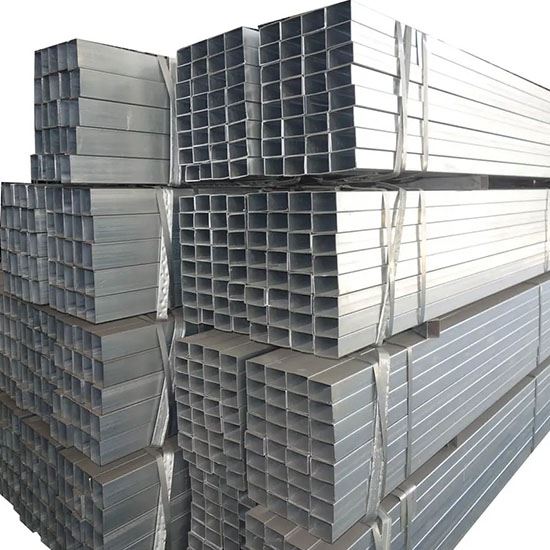
As a supplier of galvanized metal pipes, we offer a wide range of high - quality products, including Galvanized square tube, Galvanized Steel Sheet E16, and Hot Dipped Galvanized Square Pipe. Our products are manufactured using the latest technology and strict quality control measures to ensure their durability and reliability.

Contact Us for Procurement
If you are interested in purchasing our galvanized metal pipes, we encourage you to contact us for a detailed discussion. We have a team of experts who can provide you with professional advice on product selection, installation, and safety precautions. Whether you are a construction company, a manufacturer, or an individual in need of galvanized pipes, we are here to meet your requirements.
References
- American Galvanizers Association. (2023). Safety Guidelines for Working with Galvanized Steel.
- Occupational Safety and Health Administration (OSHA). (2023). Safety Standards for Metalworking Operations.
- National Fire Protection Association (NFPA). (2023). Fire and Safety Codes for Industrial Facilities.
